
The foundation is asking political parties to agree to a moratorium on evictions and demolitions, and urging the government to make housing a priority in its plan for the next EU budget.
Sofia, 13 November 2026 – Thousands of Roma families in Bulgaria live under demolition orders that can be enforced at any time, some issued as long ago as 2005. At a working meeting on housing policy at Bulgaria's National Assembly today, co-hosted by the Roma for Democracy Foundation, the Roma Foundation for Europe warned that demolitions are likely to intensify ahead of the 2027 local elections. It called on political parties to agree to a moratorium on forced evictions and demolitions in the run-up to and during elections.
"Bulgaria cannot keep demolishing homes it has no means to replace," said Zeljko Jovanovic, president of the Roma Foundation for Europe. "The way forward is to legalise and upgrade homes where possible and to invest in social housing where it is not. EU funds already allow this. Bulgaria must now secure it in its 2028–2034 National and Regional Partnership Plan."
Jovanovic said the moratorium should set a democratic standard, not only one for housing. "Using forced evictions to win elections is an anti-democratic practice, whichever party or local authority is responsible. Politicians who do it should face public criticism and be held to account."
In April 2026 the regional development minister cited more than 200,000 illegal homes in Bulgaria, mainly in Roma neighbourhoods. Civil rights defenders have counted more than 2,850 homes demolished since 2017, almost all belonging to Roma families. Bulgaria's entire public housing stock is 32,857 dwellings, 0.8 per cent of all homes.
Families who lose their homes are left to find something in a market few can afford. House prices in Bulgaria rose by 137 per cent between 2015 and 2025, against 58 per cent in the EU, and construction costs rose by 136 per cent. Jovanovic also pointed to Zaharna Fabrika in Sofia, demolished in April 2025, where he said political decision-makers had rejected a proposed €500,000 contribution from the Council of Europe Development Bank to secure alternative housing.
On 25 August 2026, in Alexieva and Others v. Bulgaria, the European Court of Human Rights again found that Bulgaria demolishes family homes without assessing whether this is proportionate and described the problem as systemic.
Bulgaria has also left EU money for housing unused. In the 2025 mid-term review of the 2021–2027 budget, member states moved €3.3 billion of cohesion funds into affordable housing. Bulgaria moved nothing, according to CEE Bankwatch Network. Higher EU co-financing for housing remains available until 2029–2030, and Bulgaria must make housing a priority when it drafts its 2028–2034 plan in 2027.
Member of Parliament Marin Tihomirov (We Continue the Change), who opened the meeting, said some local authorities ignore housing problems for their entire mandate and turn to demolitions only when it pays off politically, calling it "political business before elections". He pledged to take the moratorium proposal to all political parties.
"Demolitions without alternatives do not end housing insecurity. They push the cost of institutional failure onto families, some of whom end up looking for shelter and work in other European countries. Roma representatives and civil society organisations have offered municipalities mediation again and again. When that help is on the table, there is no excuse for demolition," said Tihomirov.
"Housing insecurity is used as a bargaining chip ahead of elections," said Miglena Mihaylova of the Roma for Democracy Foundation. She said mayors and municipal councillors from different parties had come to the meeting with the same request: clear guidance from the government on what municipalities should do when families are at risk of losing their homes.
Participants discussed a proposed national mechanism that would require individual assessments, proportionality reviews and alternative housing plans before any family is evicted. Bulgaria's Ombudsman backed clearly defined procedures, saying no citizen should be left homeless.

Roma Foundation for Europe
The latest

Roma Foundation for Europe Welcomes Better Monitoring of Roma Strategies and Calls for Meaningful Improvements in People’s Lives

The Conditional Belonging of Bulgaria’s Roma
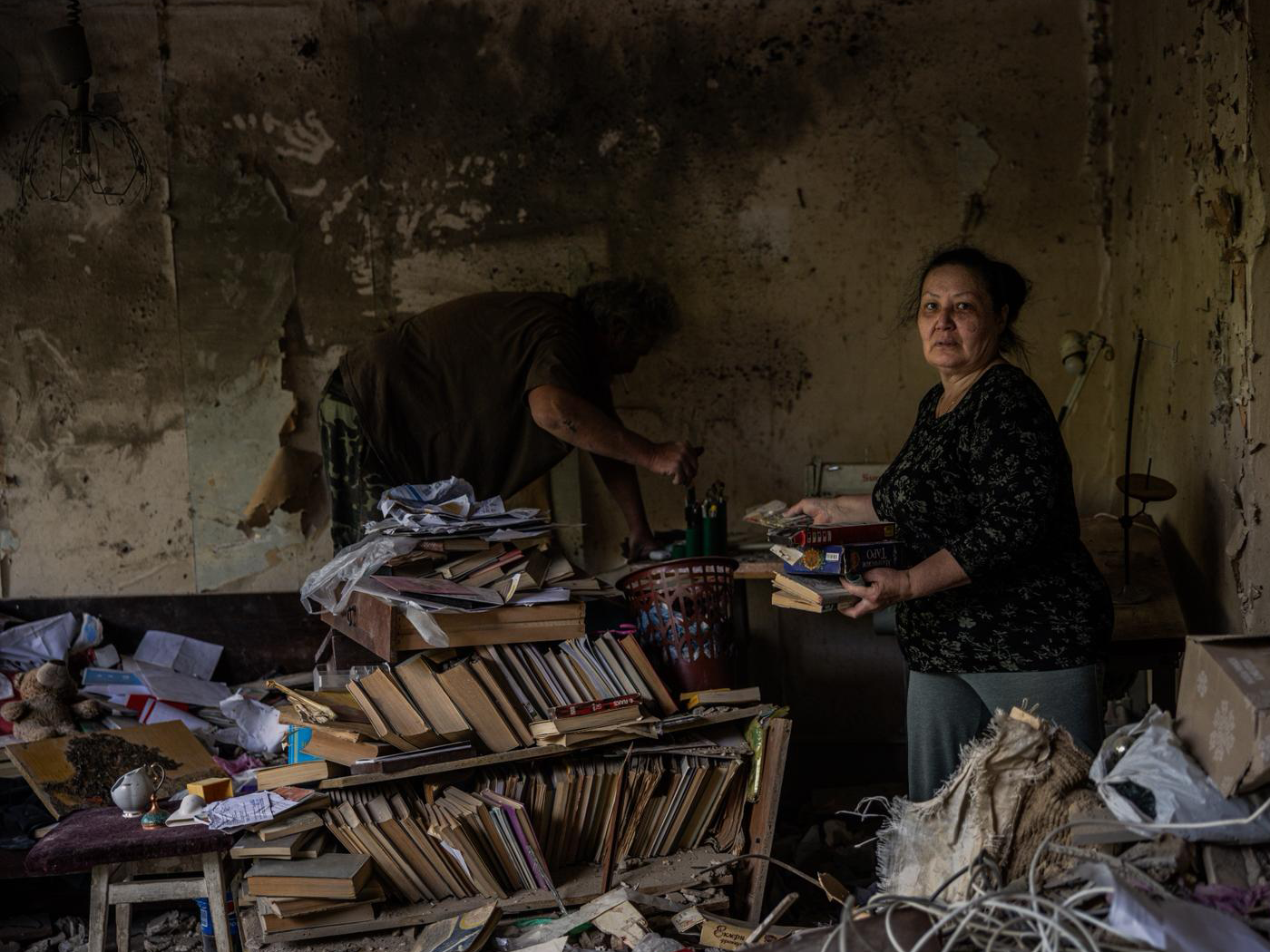
Unregistered, Uncompensated, Unbroken
Browse by category
Campaigns
Events
Facts
Press
Voices
For media inquiries:
[email protected]Sign up here so you don’t miss out on campaign updates, upcoming events and other news from the Roma Foundation for Europe and our network.
Sign up for our newsletter