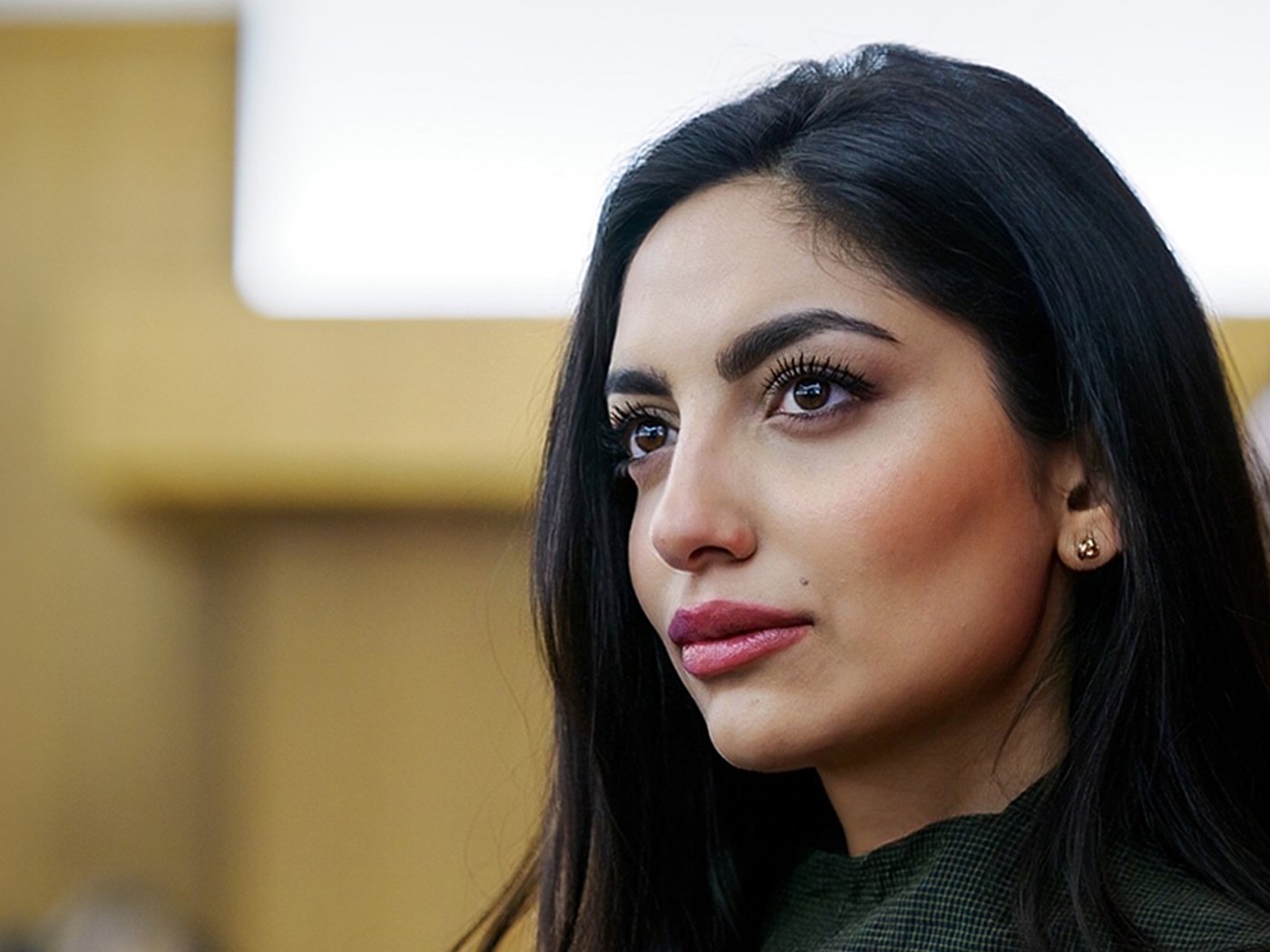
When survival requires constant endurance, something is wrong with the system. For Roma women, “strength” often exposes the gap between democratic promises and lived reality.
We often say it easily. “She is strong.”
It sounds like a compliment. But often it means something else. It means that woman or girl has had to endure things she should never have been forced to endure.
This is especially true for Roma women.
We admire strength because we keep creating the conditions that require it. So when we speak about strength, it’s more honest to begin with identity.
For many years, identities like mine were described as limitations. Being Roma. Being a woman. Being part of a minority that is constantly discussed but rarely listened to.
Identity becomes a barrier when stereotypes enter the room before you do. When others believe they already know who you are. These assumptions shape expectations, opportunities and even the tone of conversation
Sometimes the effect is quieter and more dangerous: fear. Fear of rejection, humiliation, exclusion. And fear teaches people to withdraw.
But identity can also become an analytical advantage.
When you grow up outside the centre of a system, you observe it closely. You notice the distance between how institutions describe themselves and how they actually behave. That distance creates clarity.
In my family, three generations of women lived under three political systems in Bulgaria: monarchy, communism, democracy. Each system promised rights. Yet for many Roma families, institutions were rarely experienced as protection. More often, they appeared as control.
So earlier generations developed a rational strategy. Learn the limits. Stay quiet. Navigate the system rather than expecting it to protect you.
I grew up differently. I was born in 1996, in a democratic Bulgaria. Even a fragile democracy shapes expectations. You begin to expect that institutions respond, that laws apply equally, that rights can be claimed.
For Roma, that expectation can feel radical.
This created tension in my own family. Older generations would say: be careful, don’t expect too much. My answer was simple: that is what democracy is supposed to allow.
Political systems don’t only shape institutions. They shape what citizens believe is possible.
Across Eastern Europe, democratic institutions were built quickly after 1989. But civic culture developed more slowly. And when expectations remain weak, democracies remain fragile.
Fragile democracies often rely on a familiar mechanism: scapegoats.
When problems such as corruption or inequality are difficult to address, a visible minority becomes a convenient explanation. In Bulgaria, Roma have often been placed in that role.
Crime becomes a Roma issue. Poverty becomes a Roma issue. Institutional failure becomes a Roma issue.
This isn’t analysis. It shifts responsibility away from institutions.
The same applies to the narrative of “Roma votes”. Vote buying exists. But presenting it as a defining feature of Roma political behaviour ignores a more complex reality and again redirects responsibility.
The problem is not democracy as an idea. It’s how it is applied.
When mentalities don’t change, democracy can exist on paper while functioning differently in practice.
We see this in moments that test basic principles.
In Bulgaria, the demolition of homes in Zaharna Fabrika was presented as a local issue. For the families affected, it was about dignity and stability. European legal standards are clear on forced evictions, yet in practice these protections become negotiable.
This pattern is not limited to one country.
In Slovenia, after the death of Aleš Šutar in 2025, the government expanded police powers in so-called “high-risk areas”, widely understood to mean Roma neighbourhoods. A single incident became justification for treating entire populations as security concerns.
Which brings us back to strength.
Roma women are often described as strong. But in many cases, strength was never a choice. It was a requirement for survival.
Human rights should exist so that survival does not require extraordinary strength. They should make dignity ordinary.
I benefited from democracy. It gave me access to education and institutions. But earlier generations didn’t have the same opportunities.
This leaves us with a question:
What kind of democracy are we building? One where some citizens must be exceptionally strong simply to live normal lives? Or one where institutions ensure dignity before people are forced to fight for it?
Perhaps “strong” should not describe those who endure.
Perhaps it should describe the democracy we are still building.
Adapted from a talk given at the Sofia Human Rights Forum on 14 March 2026.
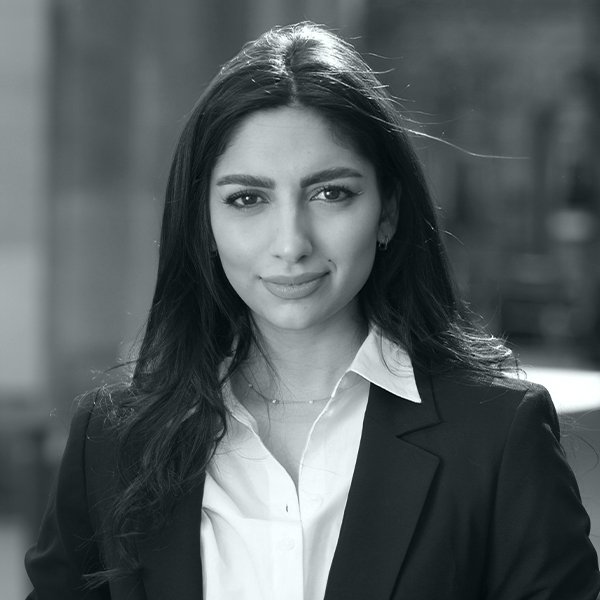
Daniela Samiri
Contributor
The latest
The Conditional Belonging of Bulgaria’s Roma
Unregistered, Uncompensated, Unbroken

EU Budget Tracking Rules Name Roma but Still Cannot Say Whether Their Lives Improve, Roma Foundation for Europe says
Browse by category
Campaigns
Events
Facts
Press
Voices
For media inquiries:
[email protected]Sign up here so you don’t miss out on campaign updates, upcoming events and other news from the Roma Foundation for Europe and our network.
Sign up for our newsletter